Thursday, June 4, 2020

IMPORTANT DAYS MAY

01 May = International Labour Day

:large_blue_diamond: 02 May = World Tuna Day

:large_blue_diamond: 03 May = World Press Freedom Day

:large_blue_diamond: 04 May = Coal Miners Day

:large_blue_diamond: 04 May = International Firefighters Day

:large_blue_diamond: 05 May = International Day of the Midwife

:large_blue_diamond: 06 May = International No Diet Day

:large_blue_diamond: 07 May = World Athletics Day

:large_blue_diamond: First Tuesday of May = World Asthma Day

:large_blue_diamond: 08 May = World Red Cross Day

:large_blue_diamond: 09 May = World Thalassaemia Day

:large_blue_diamond: 11 May = National Technology Day

:large_blue_diamond: 12 May = International Nurses Day

:large_blue_diamond: 15 May =International Day of Families

:large_blue_diamond: 16 May = International Day of Light

:large_blue_diamond: 16 May = National Dengue Day

:large_blue_diamond: 17 May = World Hypertension Day

:large_blue_diamond: 17 May = World Telecommunication Day

:large_blue_diamond: 18 May = World AIDS Vaccine Day

:large_blue_diamond: 18 May = International Museum Day

:large_blue_diamond: 20 May = World Meteorology Day

:large_blue_diamond: 20 May = World Bee Day

:large_blue_diamond: 21 May = National Anti- terrorism Day

:large_blue_diamond: 22 May = International Day of Biological Diversity

:large_blue_diamond: 23 May = World Turtle Day

:large_blue_diamond: 24 May = International Commonwealth Day

:large_blue_diamond: 25 May = World Thyroid day

:large_blue_diamond: 25 May = International Missing Children Day

:large_blue_diamond: 28 May = World Hunger Day

:large_blue_diamond: 29 May = International Day of United Nations Peacekeepers

:large_blue_diamond: 29 May = International Everest Day

:large_blue_diamond: 30 May = Hindi Journalism Day

:large_blue_diamond: 31 May = World No Tobacco Day

IMPORTANT DAYS APRIL


:large_blue_diamond: 01 April = Odisha Day is also known as “Utkal Divas

:large_blue_diamond: 02 April = World Autism Awareness Day

:large_blue_diamond: 04 April = International Mine Awareness Day

:large_blue_diamond: 05 April = National Maritime day

:large_blue_diamond: 06 April =International Day of Sport for Development and Peace

:large_blue_diamond: 07 April = World Health Day

:large_blue_diamond: 1 - 7 April = Prevention of Blindness Week

:large_blue_diamond: 08 April = International Roma Day

:large_blue_diamond: 10 April = World Homoeopathy Day

:large_blue_diamond: 11 April = National Safe Motherhood Day

:large_blue_diamond: 12 April =International Day of Human Space Fligh

:large_blue_diamond: 12 April =World Aviation and Cosmonautics Day

:large_blue_diamond: 13 April = Rajouri Day

:large_blue_diamond: 14 April = Ambedkar Jayanti 

:large_blue_diamond: 7 - 13 April = World Allergy Week

:large_blue_diamond: 17 April = Bangladesh celebrated Mujeebnagar Day

:large_blue_diamond: 17 April = World Hemophilia Day

:large_blue_diamond: 18 April = World Heritage Day

:large_blue_diamond: 19 April = World Liver Day

:large_blue_diamond: 21 April = World Creativity and Innovation Day

:large_blue_diamond: 21 April = National Civil Service Day

:large_blue_diamond: 22nd April =Global Earth Day

:large_blue_diamond: 22 April = International Mother Earth Day

:large_blue_diamond: 23 April = World Book and Copyright Day

:large_blue_diamond: 24 April = National Panchayati Raj Day

:large_blue_diamond: 24 - 30 April = World Immunization Week

:large_blue_diamond: 25 April = World Malaria Day

:large_blue_diamond: 26 April = World Intellectual Property Day

:large_blue_diamond: 27 April = World Veterinary Day

:large_blue_diamond: 29 April = International Dance Day

:large_blue_diamond: 29 April =Day of Remembrance for all Victims of Chemical Warfare

:large_blue_diamond: 30 April = International Jazz Day

IMPORTANT DAYS OF MARCH

:sparkles: 1 March = World Civil Defence Day

:sparkles: 1 March = Zero Discrimination Day

:sparkles: 3 March = National Defence Day

:sparkles: 3 March = World Wildlife Day

:sparkles: 4 March = National Security Day

:sparkles: 4 March = World Day of Fight Against Sexual Exploitation

:sparkles: 7 March = Janaushadhi Diwas

:sparkles: 14 March = World Kidney Day

:sparkles: 15 March = World Consumer Rights Day

:sparkles: 16 March = National Vaccination Day

:sparkles: 18 March = Global Recycling Day

:sparkles: 20 March = International Day of Happiness

:sparkles: 20 March = World Sparrow day

:sparkles: 21 March = International Day for the Elimination of Racial Discrimination

:sparkles: 21 March = International Day of Forests

:sparkles: 21 March = World Poetry day

:sparkles: 21 March = World Down Syndrome Day

:sparkles: 22 March = World Water day

:sparkles: 23 March = World Meteorlogical Day

:sparkles: 23 March = Martyr’s Day

:sparkles: 24 March = World Tuberculosis Day

:sparkles: 27 March = World Theatre Day

:sparkles: 29 March = World Piano Day

Saturday, March 30, 2013

Health Benefits of Chamomile Tea


Chamomile, a plant with a diminutive, daisy-like flower and apple scent, has been used since ancient times; by the Egyptians as a fever-reducer and by the Greeks and as an ulcer cure by the Egyptians (ref 9). Nowadays mostly used as a soothing herbal tea, modern science has identified numerous potential health benefits of chamomile.

Anti-Inflammatory

Chamomile tea may offer similar anti-inflammatory benefits to some non-steroidal anti-inflammatory drugs, or NSAIDS, according to a cell culture study published in the November 2009 issue of the journal "Life Science." Chamomile inhibited release of inflammatory prostaglandin molecules from white blood cells in a manner similar to that of the enzyme cyclooxygenase-2, or COX-2, one of the inflammatory enzymes targeted by NSAIDS. Researchers concluded that drinking chamomile tea may help prevent inflammatory conditions. In a study published in the September 2011 issue of the journal "Medicina Oral, Patologia Oral, y Cirugia Bucal," chamomile helped heal mouth sores in laboratory animals. Chamomile decreased inflammation, promoted regrowth of tissue around the wounds and increased production of collagen protein.

Anxiety and Depression

Herbalists recommend drinking 1 to 3 cups per day of chamomile tea as a remedy for anxiety and depression, according to CoxHealth. A study published in the September 2012 issue of the journal "Alternative Therapies in Health and Medicine" found that chamomile supplementation successfully alleviated depression. In the study, participants who took standardized supplements containing 220 milligrams of chamomile extract showed significant improvements in mood as measured on a depression rating scale. Chamomile relieved symptoms of anxiety in a study published in the August 2009 issue of the "Journal of Clinical Psychopharmacology." Participants took chamomile extract daily for eight weeks. Results showed up to 50 percent reduction in anxiety symptoms. Researchers concluded that chamomile may be useful for management of mild to moderate anxiety disorders.

Digestive Health

Chamomile is used in herbal medicine to treat a variety of digestive conditions, including irritable bowel syndrome, diarrhea and colic, according to the University of Maryland Medical Center. A study published in the 2006 issue of the journal "Arzneimittel Forschung" found that a combination of chamomile and apple pectin significantly decreased the duration of diarrhea in children aged 6 months to 6 years.

Cancer Prevention

An herbal combination consisting of ginseng, cranberry, green tea, grape skin and seed, reishi mushroom and chamomile inhibited an aggressive form of prostate cancer in a laboratory animal study published in the October 2009 issue of the journal "Anticancer Research." Each of the herbs has been shown to have anticancer benefits individually, note researchers. Together they showed significant inhibition of tumor growth and invasion of surrounding tissues. The combination was also safe, with few adverse side effects. Apigenin, one of the active constituents in chamomile, may help prevent some forms of gastrointestinal cancer, according to a study published in the November 2012 issue of the journal "Molecular Nutrition and Food Research." Apigenin, which is formed in the digestive tract from an inactive precursor, inhibits cancer cell growth and blood supply to cancerous tumors.

Health Benefits of Granny Smith Apples


Granny Smith apples are a crisp, tart apple that make a delicious snack or a tasteful addition to recipes. Because these green apples are have a higher acid content than other apples, they take longer to go brown once you cut into them. Toss diced Granny Smith apples into salads or stir them into your oatmeal at breakfast. Caramelize chopped Granny Smith apples with a touch of butter and cinnamon to make a warm topping for frozen yogurt. No matter how you enjoy these tart green apples, your body will reap a nutritional harvest of benefits.


Antioxidants

Apples are the main source of flavonoids in the Western diet and they are rich in vitamin C, explains Dr. Silvina Lotito, a research associate with the Linus Pauling Institute. Granny Smith apples are particularly high in the flavonoids cyanidin and epicatechin, although Red Delicious has more. Vitamin C and flavonoids act as antioxidants in your system and neutralize harmful free radicals. Having an abundance of free radicals roaming through your body leads to permanent damage of healthy cells and increases your risk of chronic diseases. Powerful antioxidants from Granny Smith apples lessen your risk of heart disease, diabetes and stroke.

Weight Loss

Granny Smith apples make a guilt-free addition to your weight-loss efforts. They are naturally low in calories, providing a minimal 80 calories for a medium 3-inch piece of fruit. The high fiber content of Granny Smith apples further helps your weight-loss goals by improving satiety. Soluble fiber, which comes from the soft inside part of the apple, attracts water in your intestinal tract. It forms a gel-like substance, which slows digestion and forces food to back up into your stomach. You may feel full for an extended period of time if you snack on a Granny Smith apple in the afternoon or enjoy one right before a meal.

Regulated Blood Sugar

Granny Smith apples can help stabilize your blood sugar levels, which is particularly important if you have diabetes or are at risk of developing diabetes. Foods rich in soluble fiber delay absorption of sugar in your small intestine and may lower your risk of developing Type 2 diabetes. Women who eat an apple a day are nearly 30 percent less likely to develop Type 2 diabetes, "Best Health Magazine" reports. Make sure you meet your daily fiber recommendation for maximum benefits. You need 14 grams of fiber for every 1,000 calories in your diet, which amounts to 28 daily grams for an average 2,000-calorie diet, according to the Dietary Guidelines for Americans 2010. A medium 3-inch Granny Smith apple provides about 5 grams of dietary fiber.

Healthy Teeth

If you can't brush your teeth after a meal, reach for a Granny Smith apple. Biting and chewing the tough, fibrous skin of the apple stimulates saliva production. The extreme tartness of Granny Smith apples aids in more salivation than a sweeter type of apple. High levels of saliva decrease bacteria in your mouth that attack teeth and cause cavities. Granny Smith apples are high in acid, which can break down tooth enamel. As a precaution, drink a glass of water with your apple to minimize any damage from acid.

Steady Heart Rhythm

Granny Smith apples have a slightly higher potassium content than other types of apples. Potassium is an electrolyte that keeps fluid balanced in and around cells. This process is vital to everyday electrical flow through your body, a function that makes your heart beat. If you don't get enough potassium each day, you may wind up having an irregular heartbeat. You need 4,700 milligrams of potassium each day, according to the Linus Pauling Institute. A 100-gram Granny Smith apple, which is equivalent to about 3 1/2 ounces, provides 115 milligrams of potassium.

Sunday, January 20, 2013

World's first bendable battery unveiled!

Scientists have developed world's first imprintable and bendable lithium-ion battery, paving way for flexible smarphones.
A research team from South Korea's Ulsan National Institute of Science and Technology claim they have developed a "fluid-like" polymer electrolyte that are used for lithium-ion batteries.
"This could help speed up the production of smartphones with flexible displays, such as Samsung's Youm flexible OLED display." At the CES 2013, Samsung showed off a prototype for a flexible smartphone, which it calls 'Youm'.
Flexible Battery
Korean scientists develop world's first "flexible" battery


The batteries use nanomaterials which can be applied to any surface to create fluid-like polymer electrolytes, say researchers.
"Conventional lithium-ion batteries that use liquefied electrolytes had problems with safety as the film that separates the electrolytes may melt under heat, in which case the positive and negative may come in contact, causing an explosion," the lead of the project Prof. Lee Sang-young said.
"Because the new battery uses flexible but solid materials, and not liquids, it can be expected to show a much higher level of stability than conventional rechargeable batteries."
This research was funded by the Ministry of Education, Science and Technology and the National Research Foundation of Korea.

Sony Power Bank USB Charger for Mobile Phone - CP-ELS 2000mAh

Sony Power Bank USB Charger for Mobile Phone - CP-ELS 2000mAh Overview


You can buy from the given link below the article and watch the video of the product review...

Key Features:

  • Stylish stick charger
  • 6 hrs Charging Time
  • 500 Charging Cycle
  • Micro USB Connector Type
You can now charge your smartphone anytime, anywhere with this power bank. It is compatible with most of the smartphones and has a battery capacity of 2000mAh. You can charge it via your computer.

Specifications:

Brand: Sony
Model: CP-ELS
Type : Portable Charger
Connector: Micro USB
Battery Type: 2000 mAh Li-Ion
Charging time: Upto 6 hours
Dimensions: 125 x 28 x 26.5 mm
Weight: 87 Gms
http://www.homeshop18.com/shop/jsp/iFrameWatchVideo.jsp?videoURL=http://youtube.googleapis.com/v/CxO-_E8uqN4

Sunday, October 14, 2012

10 superfoods to make you look younger

10 foods that can make you look YOUNGER

Walnuts

No anti-aging cream, lotion or medicine can have your skin looking as young as when you consume foods that keep it healthy.
When you have the money, a scalpel and a knife can reverse your natural aging process and have you looking younger, but then it's rather plastic. You can get that genuine radiance from deep within -- a little restructuring of your diet will let the glow stay forever. So here's the list of top 10 foods which will trap your youth for the long term!
1. Nuts
Rich in Vitamin A and omega-3 fatty acids, nuts are a rich source of nutrients vital to your skin. They protect it by forming a fluid, rich membrane in the skin that is moist and flexible. Hence, wrinkles are kept away at bay and the radiance is blemish-free. The fluidity keeps the skin supple and prevents premature aging.
Your pick: Walnuts, pecans, almonds and hazelnuts, chia seeds and flaxseed

2. Fruits and berries


Acai berries


Excellent sources of antioxidants, fibre, vitamins and minerals -- nature offers us more than we could ask for, of the aforesaid nutrients for flawless skin. While antioxidants keep the blood clean and increase the body's nutrient absorption, vitamins and minerals offer strong immunity.
Your pick: Raspberries, red grapes, blueberries, avocadoes, blackberries, kiwi, apricots, apple and pear, acai berries (also called the potion of youth), cantaloupe and prunes.

3. Greens

Broccoli


Wrinkle-fighting antioxidants, vitamins C and E and beta-carotene can be found in plenty in green leafy vegetables. With their immunity-boosting properties, they also protect against cancer, arthritis and heart diseases. Playing a pivotal role in skin renewal and removal of harmful free radicals from the system, the greens have a magical effect as anti-aging promoters.
Your pick: Spinach, beans, broccoli, Brussels sprouts, carrots, cucumber and kale

 4. Fish

Fish


Fish is a rich source of omega-3 fatty oils, the components that play a very important role in improving the elasticity of the skin. This effect further reduces wrinkles. Omega-3 fat is not produced by our bodies; it needs to be replenished from external sources and is found in plenty in fish.
Your pick: Salmon, trout, herring, sardines, mackerel or pilchards

5. Whole grains

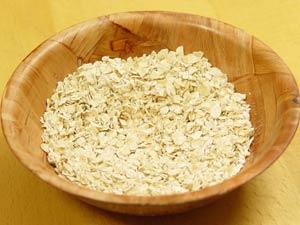
Oats


Whole grains not only contain antioxidants, they are a rich source of vitamins, minerals, proteins and fibre. They are also responsible for lowering blood cholesterol and help prevent heart disease. And a healthy body will give you healthy skin.
Your pick: Oats, brown rice, millet and barley

6. Veggies

Ginger


Lycopene in vegetables is twice as powerful as beta carotene -- it contains antioxidants, vitamins and minerals for skin regeneration, sulfur compounds (the pungent smell in ginger) and other additions. These must be incorporated into your diet, owing to their capabilities to fight free radicals, keep the blood clean and increase immunity.
Your pick: Sweet potato, tomato, ginger and soy

7. Healthy fats

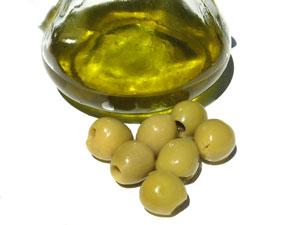
Olive oil


Switch to healthier fats that are rich in antioxidants. These fats act as a carrier for fat-soluble vitamins A, C and E, which are extremely necessary for flawless skin.
Your pick: Olive oil, safflower oil and sesame oil

8. Beneficial beverages

Green tea


Banish all caffeine-rich beverages, hot or cold, from your diet because they have the power to destroy the vitamins in your body. The super-antioxidant EGCG has the capability to reverse oxidation and inflammation of the skin, which appears in the form of wrinkles, skin damage or scars.
Your pick: Green tea, black tea and home-made juices without sweeteners

9. Eggs and yoghurt

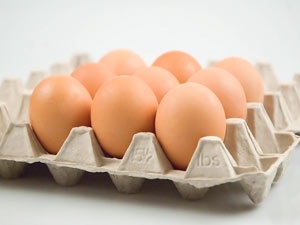
Eggs


Rich in minerals, potassium and calcium, these are very good shortcuts to a good rejuvenated skin treat. Potassium aids in the growth of new skin cells. So wouldn't that be a good choice to make?
Your pick: Egg whites and skimmed milk yoghurt

10. Water

Water


Almost 70 percent of your body is water alone. If this hydration is taken away, imagine what your skin would possibly feel like -- dry, scaly and malnourished. Water, the easily available resource, can do wonders for your skin and make it radiant like you always dreamed.
Your pick: Eight uncompromised glasses of water a day -- not too much to ask for.
Some of the most common ingredients you'll need in order to look younger can be found in your kitchen. You just need to look around, learn how to use them to your advantage and utilise them well.

Saturday, September 29, 2012

The 10 Best Power Foods for Women

The 10 Best Power Foods for …Parmesan cheese for strengthening bones: Calcium is key for preventing osteoporosis (especially in your 20s). Yogurt and nonfat milk help, but who wants them three times a day? Work Parmesan cheese into your diet; its 340 mg of calcium per ounce - compared to about 200 mg in cheddar or Swiss - goes a long way toward your 1000 mg/day quota.

The 10 Best Power Foods for …

Apples boost your immune system: Smart and sweet, apples are rich in quercetin, an antioxidant that can bolster your body's disease-fighting abilities. In one study from Appalachian State University, just 5 percent of people who ate more quercetin came down with a respiratory infection over a two-week period, compared to 45 percent of those who didn't.

The 10 Best Power Foods for …

Lentils build your iron stores: Low-calorie lentils pack about 30 percent of your daily iron per cup cooked. About 12 percent of young women have low iron stores - at the extreme, that leads to anemia. But one study found that even women who were iron deficient (not anemic) had poorer performances on skill tests than those with normal levels.

The 10 Best Power Foods for … 

Broccoli fights wrinkles: "A cup of broccoli has 100 percent of your vitamin C-crucial for production of collagen, which gives skin elasticity," says Tammy Lakatos Shames, R.D. It's also rich in beta-carotene, which the body converts to vitamin A. This vitamin assists in cell turnover, so old skin cells are replaced with fresh (read: younger-looking) ones.

The 10 Best Power Foods for … 

Potatoes pack healthy carbs: Potatoes contain a fat-fighting compound called resistant starch that can help keep weight in check. One medium spud with the skin will run you just around 100 calories, and with more potassium than bananas, potatoes also help fight heart disease by keeping blood pressure low.

The 10 Best Power Foods for …

Spinach is dense with key nutrients: This leafy green is high in vitamin K and also contains calcium and magnesium - a combo that may help slow the breakdown of bone that occurs as you get older - as well as folate, a B vitamin that helps prevent birth defects. And it packs just 7 calories per cup raw!

The 10 Best Power Foods for … 

Dark chocolate stops stress and fights disease: European researchers found that people who ate an ounce and a half of dark chocolate - about 200 calories worth-every day for two weeks produced less of the stress hormone cortisol and reported feeling less frazzled. Cortisol causes a temporary rise in blood pressure; consistently high levels up your risk for depression, obesity, heart disease and more.

The 10 Best Power Foods for …

Mushrooms deliver cancer-fighting antioxidants: One study showed that women who ate just one third of an ounce of raw mushrooms a day (that's about one button mushroom) had a 64 percent reduction in breast cancer risk. Other research suggests that mushrooms reduce the effects of aromatase, a protein that helps produce estrogen - a major factor in some breast cancers.

The 10 Best Power Foods for …

Sardines fight heart disease: These pungent little fish are good sources of omega-3 acids, which decrease inflammation that can lead to blocked arteries. They also prevent blood clots that can cause heart attacks and strokes, and keep blood vessels smooth and supple. Three ounces of sardines have about 1.3 grams of omega-3s (you need about 1 gram a day).

 The 10 Best Power Foods for …

Avocados: Avocados are high in monounsaturated fat, which has been shown to help you drop weight, including from your troublesome middle. In one study, people who got the most monos (about 23 percent of their daily calories) had about 5 pounds less belly fat than those who ate a high-carb, lower-fat diet.

Sunday, August 26, 2012

How to Increase Your Metabolism

Increase Your Metabolism

If you're trying to lose weight, increasing your metabolic rate can enable you to lose more weight without cutting more calories. The commercialism surrounding "metabolism-enhancing products" has made it difficult to separate fact from fiction (or advertising), but you can find a few research-based suggestions here.

Understand what metabolism is. In the simplest terms, metabolic rate is the rate at which your body burns calories. Very few people have a fast metabolism. Surprisingly, overweight individuals have relatively fast metabolism because they weigh more, but if their weight is staying costant then their metabolism is not fast enough to offset their caloric intake.[1] The bottom line is that increasing your metabolism will enable you to level your diet and weight.

Determine what is influencing your metabolism. There are some factors that you can control and change, and some factors that you can't.
  • Age - Metabolic rate decreases 5% each decade, after the age of 40 [2], partly because of decreased muscle mass.
  • Gender - Men generally burn calories more quickly than women because they have more muscle tissue.[2]
  • Heredity - You can inherit your metabolic rate from previous generations.[2]
  • Thyroid disorder - Hypothyroidism (underactive thyroid gland) and hyperthyroidism (overactive thyroid gland) can slow down or speed up metabolism, but only 3% and .3% of the population have hypo- and hyperthyroidism respectively.
  • Weight - different tissues of your body contribute different amounts to resting metabolism. Muscle contributes more than fat per unit mass and, because it is denser than fat, muscle contributes much more per unit volume [2], but this may not be practically significant [3]. See "Weight training" below.
 Estimate your resting metabolic rate (RMR). RMR is often used interchangeably with basal metabolic rate (BMR). Although they are slightly different, estimating either is sufficient for the purpose of losing weight. What these equations will show you is, that if you weigh more, your RMR will be higher! To calculate your RMR, use the Mifflin-St Jeor equation (which is more reliable than the Harris-Benedict equation[4]). There are also calculators online that can do this for you:
  • RMR = 9.99w + 6.25s - 4.92a + 166g-161
    • w = weight in kilograms; if you know your weight in pounds, divide by 2.2 to get your weight in kilograms
    • s = height in centimeters; if you know your height in inches, multiply by 2.54 to get your height in centimeters
    • a = age in years
    • g = gender = 1 for males, 0 for females
Adjust your diet accordingly. Your RMR will tell you how many calories you need to maintain your body at rest. Your daily consumption to maintain your weight should be:[5]
  • RMR x 1.15
    • E.g. RMR = 2000, so the maintenance intake is 2000 x 1.15 = 2300
  • To lose weight safely, do not exceed your maintenance intake or have a caloric intake lower than your calculated RMR.
  • Count calories by recording what you eat and looking up how many calories each food item contains (either on the food packaging or in tables provided in books or online).
Eat small, frequent meals. People generally eat less overall when they eat small yet frequently. Consider eating fruits , oats or anything with a "high volume to calorie content" , eating healthy snacks will also increase metabolism.[2] A common myth is that fasting or restricting your consumption of food will send your body into starvation mode.
Eat small, frequent meals.While there is little or no evidence that supports this it is true that malnutrition is never the solution to losing weight and may pose a serious risk to your health and have adverse effects in the long run. [6]

Drink iced water. As with food, depriving your body of water can encourage it to "hoard" rather than "burn". When you drink ice cold water, your body burns calories warming it to body temperature. More than ninety percent of the chemical reactions in your body occur in water, so make sure you drink an appropriate amount of water.

Boost metabolism temporarily with aerobic exercise. Different activities burn different quantities of calories, but the important thing is to raise your heart rate and sustain the activity for approximately thirty minutes.
Boost metabolism temporarily with aerobic exercise.

Boost metabolism in the long run with weight training. Muscle burns more calories than fat does (73 more calories per kilogram per day, to be exact)[2] so the more muscle you build, the higher your resting metabolic rate (RMR) will be. Every muscle cell that you gain is like a little factory that constantly burns calories for you, even while you sleep, and revs up when you exercise. This is the only way to increase RMR, which accounts for 60 to 70 percent of the calories you burn daily.[7] From a recent conservative estimate [8] one can extrapolate that in one year a person with 2.2 kg more muscle will burn calories corresponding to 1 kg of fat due to this muscle mass. Young healthy men typically have 35 to 50 kg of muscle mass [9] so the most muscular men in the range burn extra calories relative to the least muscular corresponding to 6.8 kg (15 pounds) of fat per year.

Friday, April 13, 2012

Learn Hindi Through English


This Book Title Is Learn Hindi Through English Download In 
PDF Format Free In English Language More Detail Below.
                                                                                                       
Size: 7.92 MB (8,311,345 bytes)
Book Title: Learn Hindi Through English
Total Pages: 106
                                                        
https://rapidshare.com/files/2880203009/HindiThrou_En.pdf